
Whoa!
I installed a dozen wallets back when Solana felt like the wild west.
At first it was curiosity and a bit of FOMO, nothing more.
Then something felt off about the UX of most browser extensions—clunky flows, confusing permissions, and too many steps between me and a trade.
After using Phantom in real sessions, on mainnet and testnet, my instinct said this one gets a lot right, though it’s not perfect.
Really?
Yep—seriously.
Phantom balances simplicity with power in a way that reminds me of ordering a coffee in Manhattan: fast, predictable, and mostly reliable.
My first impression was visual—clean UI, clear wallet addresses, and that comforting „connected“ indicator that actually means something.
But hold up—this isn’t a puff piece; I’ll unpack the tradeoffs and the real-world workflow for you.
Hmm…
The basics matter more than you think.
Seed phrase handling, extension permissions, and transaction previews need to be obvious.
If a wallet buries the fee or fails to show which program it’s interacting with, I close it immediately and move on.
Initially I thought all extensions treated permissions equally, but then I watched Phantom surface program names and source domains in a way other wallets didn’t.
Here’s the thing.
Security culture on Solana is uneven, so UX choices either protect you or lure you into mistakes.
Phantom does a nice job of prompting confirmations with contextual info, though sometimes the text is too terse for a newcomer.
On the other hand, advanced features like staking, token swaps inside the app, and NFT viewing are surprisingly approachable, even for people who don’t live in crypto forums.
Honestly, I’m biased toward tidy UX—but that bias helped me notice which parts of Phantom truly reduce cognitive load.
Oh, and by the way…
Phantom integrates with dApps smoothly most of the time.
I still run into a site that uses custom wallet adapters and the connection flow acts hinky.
On one hand the wallet abstracts RPC endpoints nicely, though actually the default RPC can be slow during peak traffic and you’ll wish you could switch quickly.
So yes, having a backup node or an alternate RPC is very very important for consistent throughput.
How Phantom Handles Key UX & Security
Whoa!
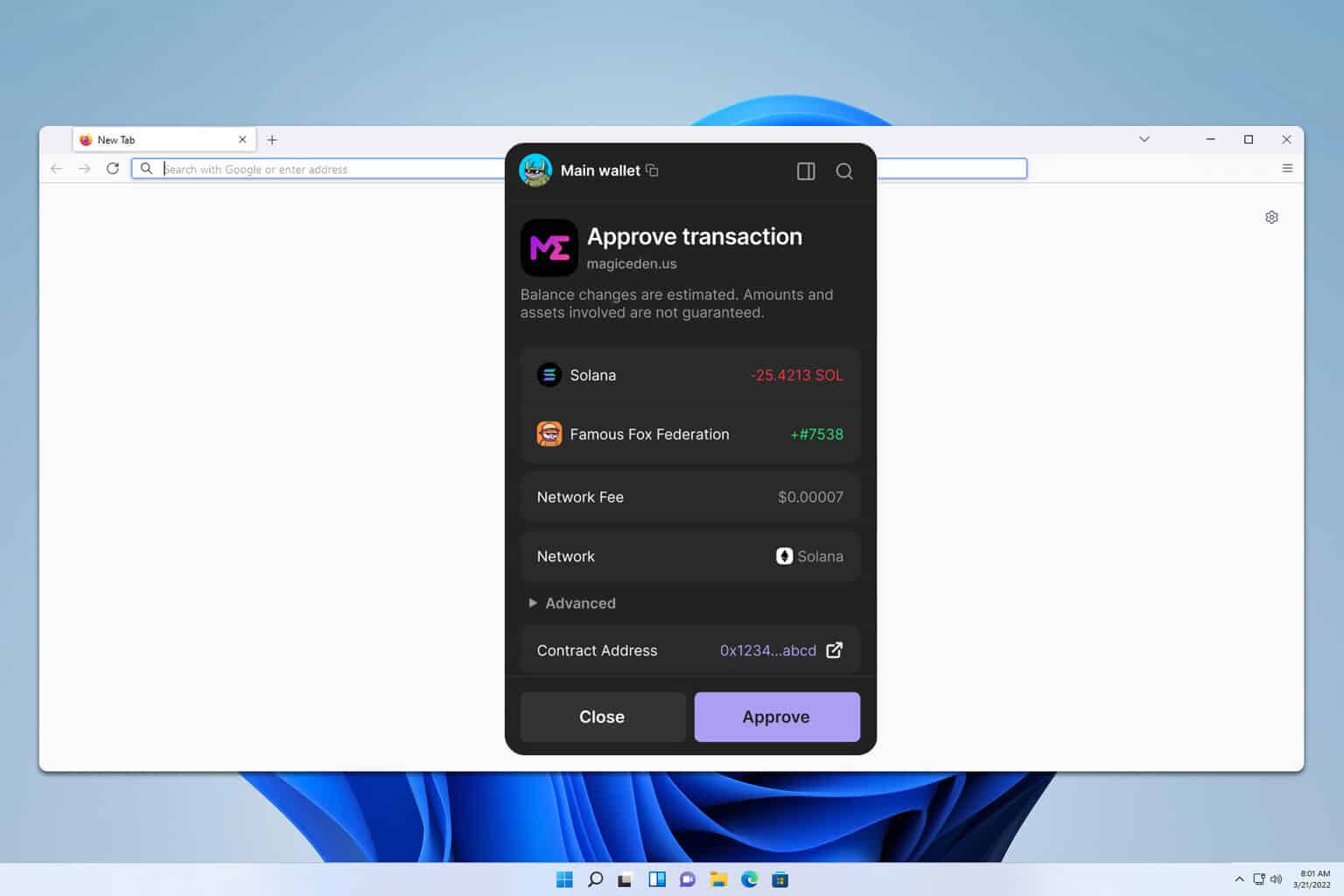
The transaction preview is my favorite single feature.
It shows which program is being called, the source of the request, and the fee estimate.
At scale you’ll appreciate that context because somethin‘ as small as a mis-click can leak funds to a bad contract, and trust me—you don’t want that.
Initially I thought a minimalist preview was fine, but after a mishap on a low-liquidity token swap, I changed my tune about verbosity.
Really?
Yeah—here’s what else matters.
Phantom stores your keys locally and encrypted, which is good for privacy.
However, the security model still relies on your device’s integrity, so if your laptop is compromised, the extension can’t fully protect you.
On deeper thought, hardware wallet support changes the risk calculus a lot, and pairing with a ledger is somethin‘ I now recommend for larger positions.
Hmm…
Permission prompts deserve attention.
Phantom asks for „connect“ and „sign“ permissions, and it highlights request origins, though some dApps throw repeated connect popups which gets annoying.
Actually, wait—let me rephrase that: repeated prompts are often the dApp’s fault, but Phantom could do a better job of grouping or remembering validated sites.
On the balance, the approach reduces surprise transactions, which is the main vector for social-engineering exploits.
Okay, so check this out—
Phantom’s built-in swap aggregator is convenient for quick trades.
It aggregates routes across Serum, Raydium, and other liquidity sources, which saves time.
But the slippage control and price impact warnings are basic; power users may still prefer an external aggregator to manually optimize routes.
On the flip side, for casual users it removes friction that would otherwise push them toward centralized exchanges.
Practical Tips for Everyday Use
Whoa!
Keep a small hot wallet and a larger cold store.
I move pocket money for trading into Phantom and keep the bulk offline.
This two-wallet habit limits exposure and is easy to maintain once you get into it.
On the technical side, enable the „auto-lock“ and set a strong password for the extension because people forget these steps until it’s too late.
Really?
Yes—also review the network settings.
If your transactions lag, change RPC endpoints or use a custom, reputable provider.
Monitor fees and the „simulate transaction“ option if you’re about to sign an unfamiliar contract.
One small tip: if a swap shows unexpectedly high price impact, pause and re-evaluate the route, or try a different aggregator.
Hmm…
Use the NFT viewer sparingly if your goal is portfolio management.
The gallery is great for collectors but clutters balances for traders.
On one hand it’s fun to browse NFTs in-app; on the other, it’s a distraction when you’re trying to move funds quickly.
I’ll be honest—this part bugs me a little because wallet teams tend to prioritize flashy features over core security tooling.
Why Developers and Power Users Like Phantom
Whoa!
Developer tools are surprisingly solid.
There are clear instructions for wallet adapters, a testnet flow that works, and sane defaults for program interactions.
If you’re building on Solana, Phantom makes local debugging more predictable, though sometimes transactions time out on congested devnets.
Initially I thought Phantom was just a consumer product, but its dev ergonomics won me over pretty quickly.
Really?
Yes—extensions that expose debug logs or allow quicker RPC swaps save hours.
Add in the extension’s compatibility with Wallet Adapter protocols and you get broad dApp support across the ecosystem.
That interoperability matters because fragmentation costs users trust and developers time.
So while Phantom isn’t perfect, it’s helped set a baseline expectation for what a modern Solana wallet extension should do.
Hmm…
If you want to try it, here’s a direct way to get started without hunting around for downloads.
Install the official extension from a trusted source, like the one I use: phantom wallet.
Be cautious—phishing pages mimic install links, so verify URLs and publisher names in the browser store.
My rule: if the site pressures you or has odd grammar, step away and re-check.
Trust but verify, as my old law professor used to say.
FAQ
Is Phantom safe for everyday DeFi use?
Mostly yes.
For small, everyday trades it’s fine when you follow basic hygiene: keep your seed offline, enable auto-lock, and verify dApp permissions.
For substantial holdings, pair Phantom with a hardware wallet or keep funds in cold storage.
Can I use Phantom on mobile?
Yes—the app exists and syncs with the extension in many flows.
But desktop extensions still offer faster dApp interactions and easier transaction inspection, which matters for complex DeFi actions.
What should I do if a transaction looks suspicious?
Stop.
Do not sign.
Check the program, the destination address, and simulate the transaction if available.
When in doubt, move funds later through a hardware wallet or consult a knowledgeable friend—I’m not your lawyer, but I’ve learned the hard way that haste costs real money.